
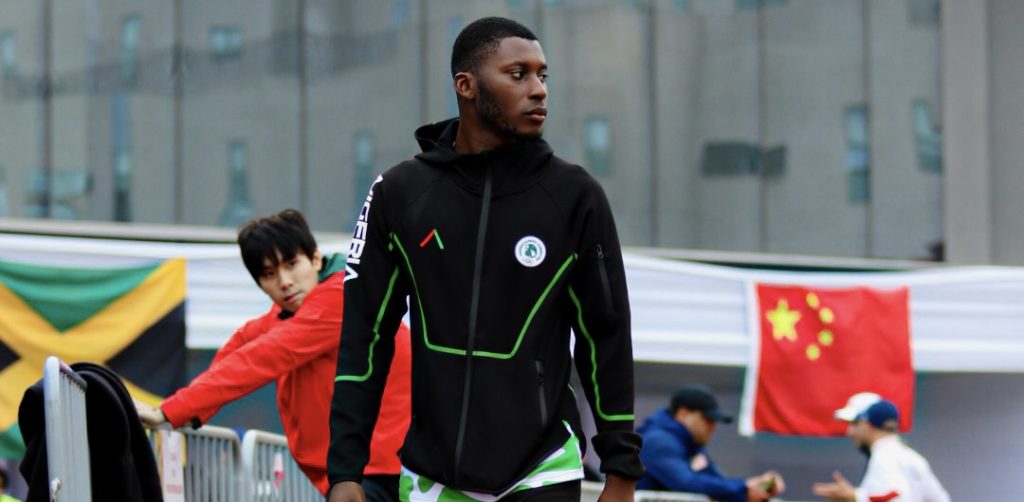
Coach Adebote Olalekan, popularly known as D’Victor, has officially declared his intention to contest for the position of National President of the Athletics Coaches Association of Nigeria (ACAN), a move many within the athletics community have described as timely and progressive for the future of coaching in the country.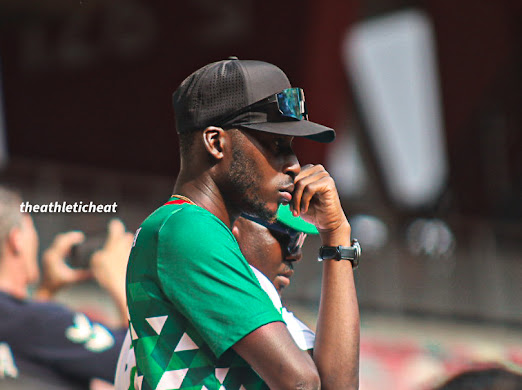

The respected coach, who serves as the Head Coach of D’Victor Athletics Academy in Abeokuta, Ogun State, has built a reputation for grassroots athlete development and administrative leadership. Under his guidance, the academy has consistently produced outstanding talents while creating pathways for athletes to advance both academically and competitively. He also currently serves as Chairman of Ogun State ACAN, where his tenure has been marked by the organization of impactful competitions that have expanded opportunities for athletes and coaches alike.
With ACAN elections expected to hold towards the end of February or early March following the inauguration of the Electoral Committee, Coach Olalekan’s decision to run signals a leadership bid grounded in experience, reform, and a strong understanding of the realities facing Nigerian coaches.
According to him, his motivation to contest stems from years of witnessing the daily struggles faced by coaches and athletes across the country. He explained that many coaches operate without adequate recognition, structured opportunities, or institutional backing, while athletes continue to navigate limited resources and inconsistent support systems.


Drawing from his administrative experience as a state chairman and his diplomatic background, he believes ACAN requires leadership capable of understanding challenges at the grassroots level while building bridges that create opportunities and resolve longstanding structural issues. His vision, he emphasized, is simple leadership that works for coaches and with coaches.
Why Now?
At this stage of his career, Coach Olalekan believes he possesses the right combination of experience, energy, and clarity of vision needed to move the association forward. He describes himself as part of a generation that understands both the traditional foundations of coaching and the modern demands of global athletics.
Rather than replacing the wisdom of senior figures in the profession, he advocates a leadership model that blends youthful innovation with the guidance and institutional memory of experienced coaches, creating a bridge between generations for sustainable growth.
Founding D’Victors Athletics Club, he noted, was more than establishing a training base it was a response to athletes who needed structure, direction, and genuine support. Building the club from scratch taught him practical leadership lessons in planning, management, accountability, and problem solving.


Working alongside respected mentors such as Coach Kayode, former ACAN President Ogogo Godwin, and Chima Osuagwu further strengthened his administrative discipline and broadened his understanding of association leadership. At the same time, daily interaction with athletes has kept him closely connected to the real challenges within the sport.
Coach Olalekan identified several systemic issues that influenced his decision to step forward. Among them is the lack of proper recognition for coaches, despite their central role in athlete development and national success. He also highlighted the limited involvement of coaches in decision making processes affecting their work.
He emphasized the need for modern coaching education systems, continuous professional development, transparent access to training grants, and fair representation within technical and leadership structures. While advocating accountability within the profession, he stressed that fairness and due process must guide disciplinary actions.
As Head Coach of D’Victors Athletics Club, his achievements reflect measurable impact. Eight athletes under his guidance have progressed into national and international competition pathways, including placements within the U.S. NCAA system, creating sustainable academic and athletic opportunities abroad.
Beyond Nigerian athletes, his training group includes talents from Benin Republic, Ivory Coast, and Ghana, as well as a Jamaican bobsled athlete a testament to the academy’s growing international reach.
His developmental model has also supported athletes’ admission into Nigerian universities, ensuring education remains central to athletic progression. Through competitions organized within his network, several athletes have secured scholarship opportunities abroad based on verified performances and exposure.
If elected, Coach Olalekan says his administration will focus on strengthening structure and standards within ACAN through transparency, accountability, and clear technical direction. Plans include modernized coaching education, structured licensing pathways, and continuous learning programs aligned with global best practices while adapting to local realities.

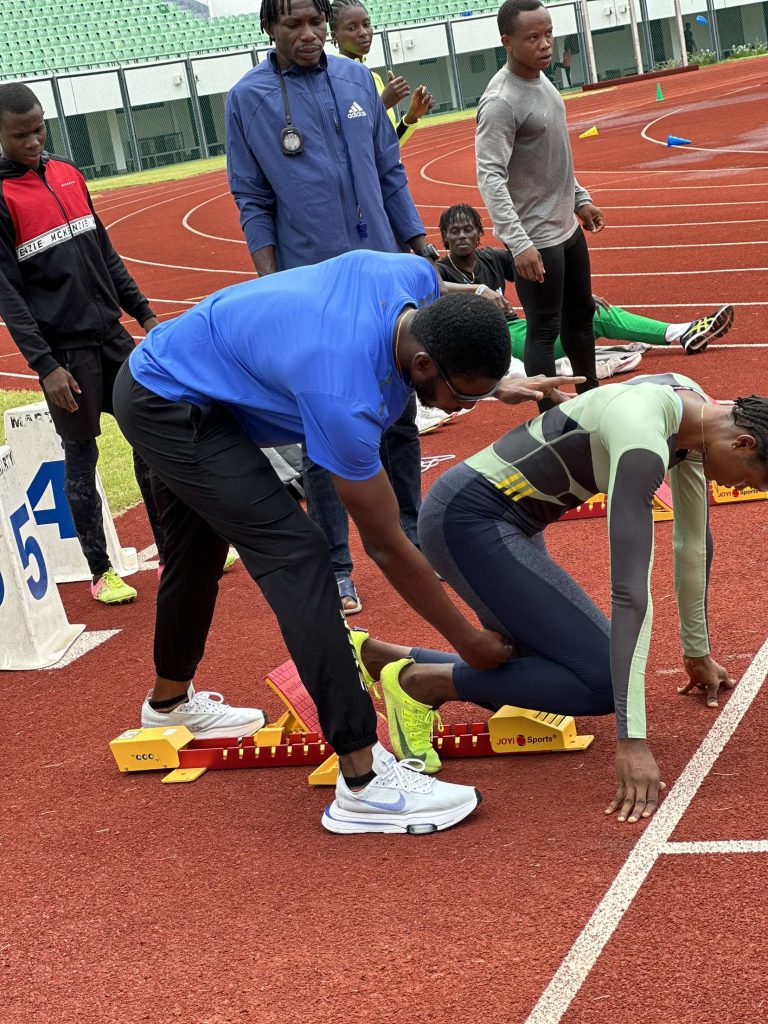
He also aims to prioritize professional growth for coaches by introducing mentorship systems, improving access to development opportunities, and creating job linkages with schools and organizations to make coaching a respected and sustainable career.
At the grassroots level, he envisions expanded competition platforms that provide measurable performance opportunities for athletes and exposure for coaches. He also proposed the introduction of West African Athletics Coaches Meets to promote regional collaboration and technical exchange.
Central to his philosophy is the creation of an enabling environment a structured pathway that allows athletes trained locally to transition into professional careers without necessarily leaving the country, supported by knowledgeable coaches and potential athlete management systems within Nigeria.
Recognizing divisions that sometimes exist within coaching structures, Coach Olalekan stressed that unity must be built intentionally through respect, listening, and inclusive leadership. His approach centers on open communication, fair representation across regions, collaborative technical forums, and early conflict resolution through dialogue.

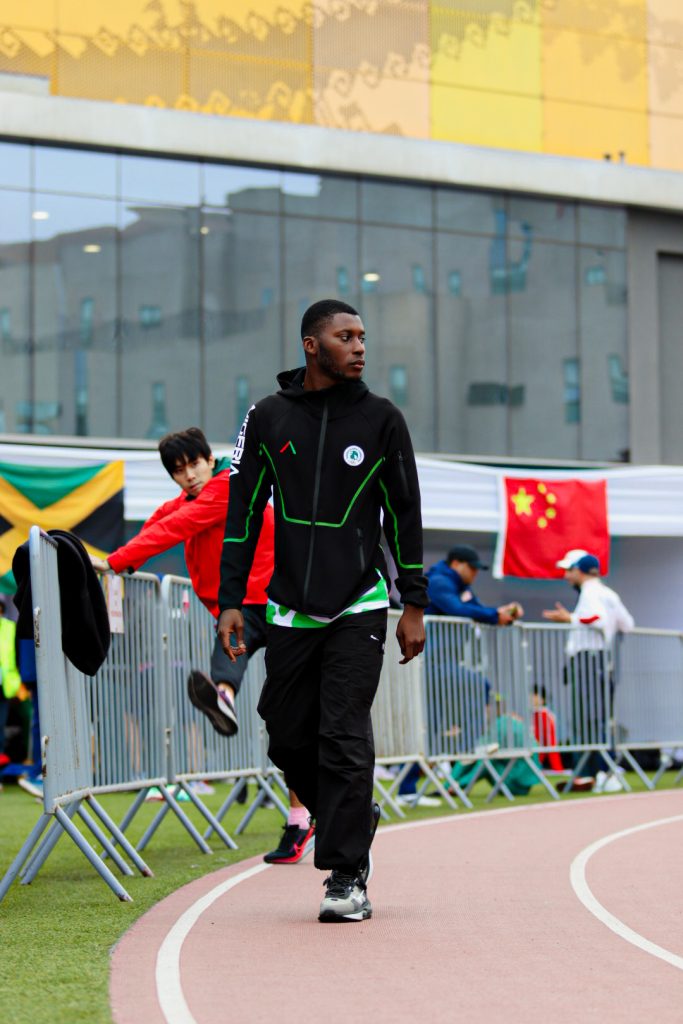
He also emphasized the importance of leaning on senior coaches for guidance and mediation when necessary, describing their experience as essential to strengthening institutional stability.
On the issue of funding, he acknowledged the realities of financial constraints but pointed to his experience building successful programs with minimal resources. He believes credibility and transparency attract investment, noting that many initiatives in Ogun State succeeded through trust, community support, and shared belief in a clear vision.
His funding strategy focuses on three pillars: strategic branding and corporate partnerships, a cost efficient grassroots first development model, and engagement with Nigerian communities and diaspora supporters willing to invest in structured and accountable programs.
According to him, Nigerian athletics now enjoys increased visibility and global recognition, creating opportunities to attract sponsorships and development grants when programs are professionally packaged and measurable.
For Coach Adebote Olalekan, the campaign goes beyond an election contest. He frames it as a mission to restore dignity to coaching, provide structure and opportunity, and create a sustainable pathway for young Nigerian athletes.
His vision, he concludes, is for a structured, respected, and opportunity driven ACAN one that truly works for coaches, strengthens the profession, and ultimately elevates the athletes Nigerian coaches dedicate their lives to developing.